Technical Comparison Advanced 14 دقيقة

ESP32 Standard vs ESP32-S3 DevKit: Choosing Between Classic IoT and Edge AI

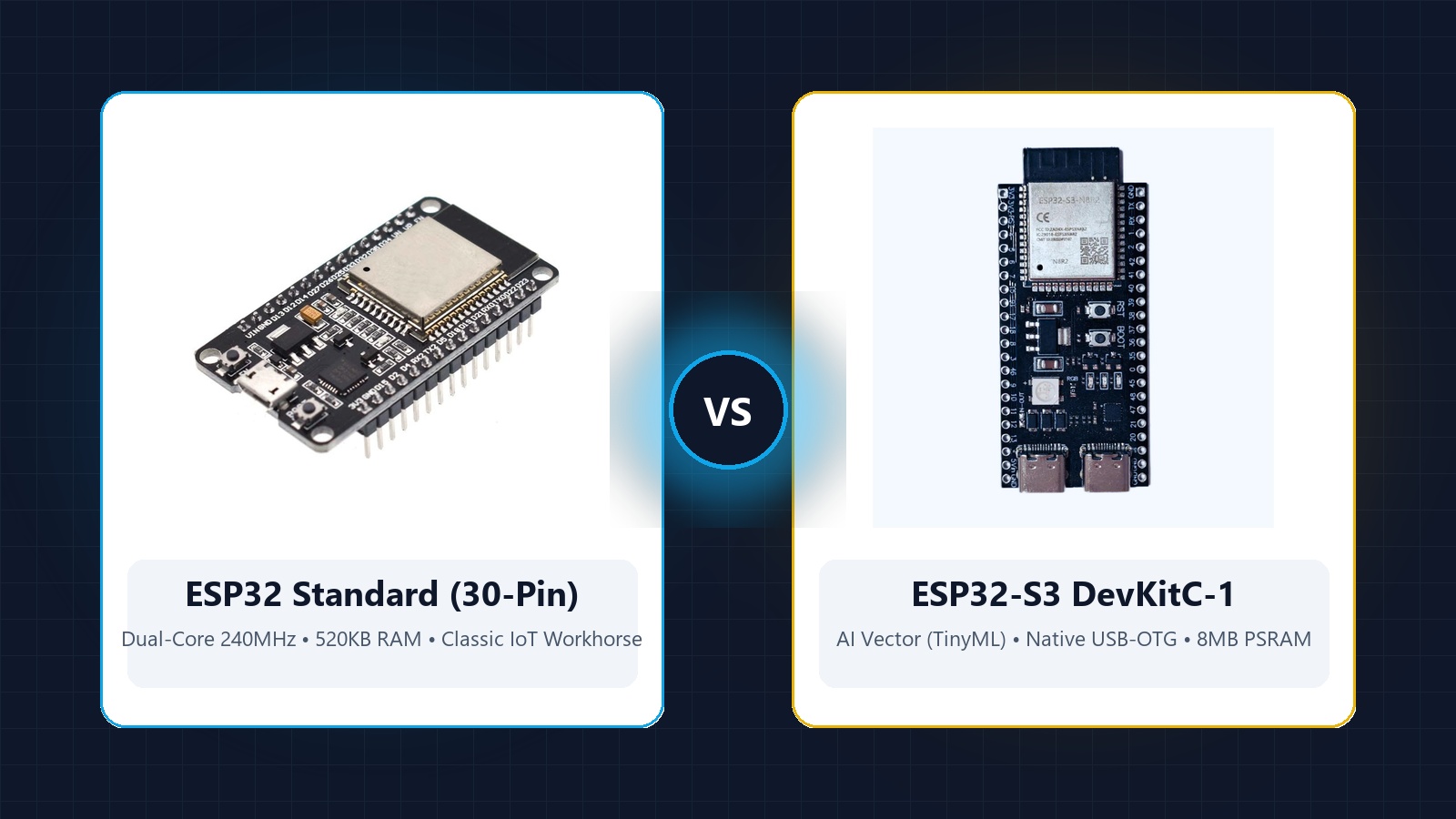
Technical comparison between classic ESP32 (30-Pin) and ESP32-S3 DevKitC-1: Xtensa LX7 architecture, Vector instructions for TinyML/Edge AI, USB-OTG, and PSRAM memory.

Verified by MOKWN Hardware Engineering Team
ESP32 Standard vs ESP32-S3 DevKit: Choosing Between Classic IoT and Edge AI
Required Components (BOM)

Project Components Available in Egypt

All components tested and genuine with fast nationwide delivery in Egypt

Add All to Cart
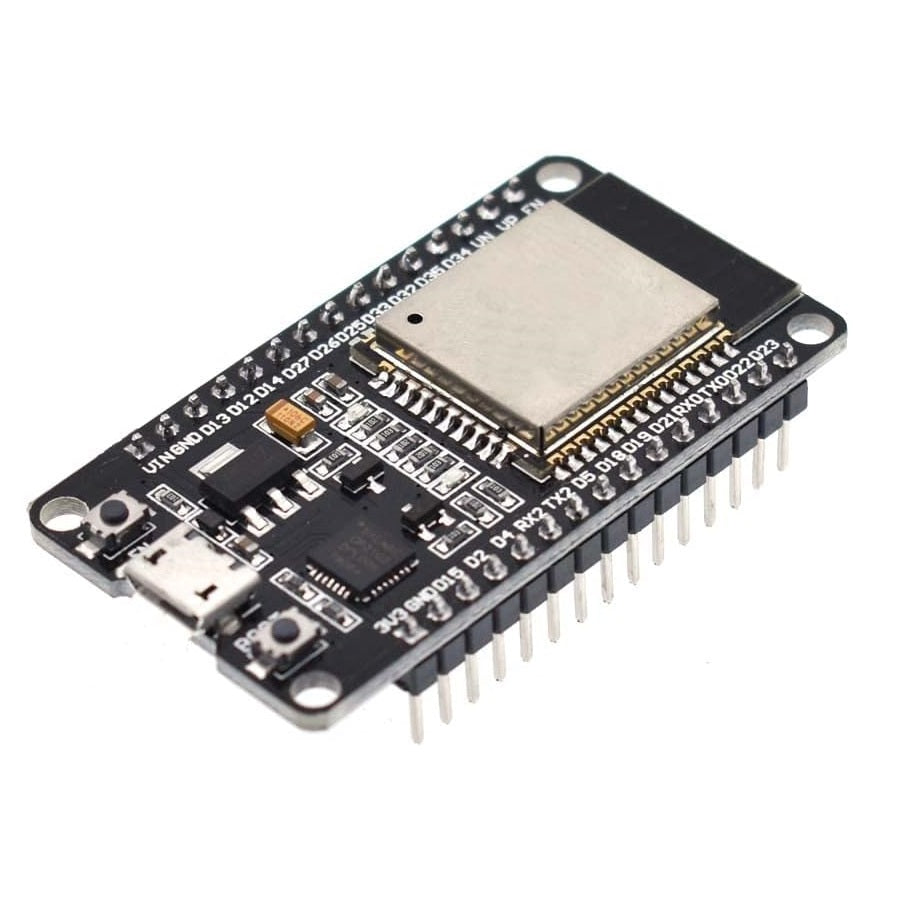
ESP32 Development Board 30 Pin WiFi Bluetooth
Qty: 1
ESP32 Development Board 30 Pin WiFi Bluetooth
اللوحة القياسية الأكثر انتشاراً في مصر لمشاريع الـ IoT والتحكم السحابي
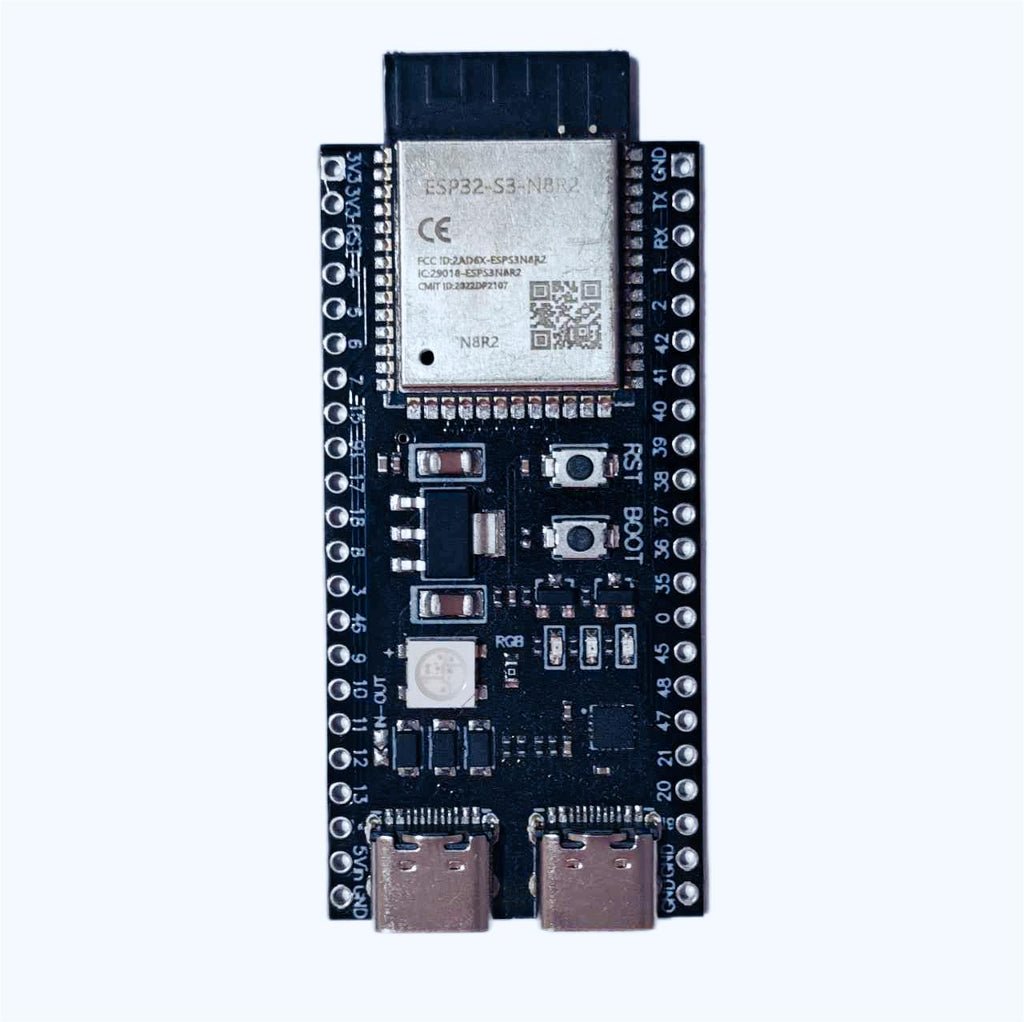
ESP32-S3 (DevKitC-1)
Qty: 1
ESP32-S3 (DevKitC-1)
لوحة الجيل الجديد بمعمارية LX7 ودعم تسريع الذكاء الاصطناعي ومنفذ USB-OTG مدمج

In-Depth Analysis: The Classic IoT Workhorse vs Next-Gen Edge AI

When evaluating Standard ESP32 (30-Pin) vs ESP32-S3 DevKit, both boards operate at 240 MHz clock speeds and integrate Wi-Fi and Bluetooth connectivity within the familiar Arduino IDE toolchain.

However, the underlying CPU microarchitecture and peripheral interfaces represent two distinctly different generations of Espressif silicon.

---

Technical Specifications: Classic ESP32 vs ESP32-S3

| Parameter | ESP32 Standard (30-Pin) | ESP32-S3 DevKitC-1 | Architecture Verdict | | :--- | :--- | :--- | :--- | | CPU Core | Dual-Core Xtensa LX6 | Dual-Core Xtensa LX7 | Modernized core pipeline | | Clock Frequency | 240 MHz | 240 MHz | Identical clock ceilings | | AI Vector Acceleration | None | Vector Extensions (TinyML) | S3 accelerates tensor maths | | Internal SRAM | 520 KB | 512 KB | Equivalent base SRAM | | External Memory | None (or standard SPI) | Up to 8MB/16MB Octal PSRAM | S3 handles high-resolution frames | | USB Support | Single UART bridge port | Dual Type-C (UART + Native USB-OTG) | S3 supports true USB HID/Host | | Bluetooth Spec | Bluetooth 4.2 BR/EDR + BLE | Bluetooth 5.0 LE + Mesh + Long-Range | S3 provides extended range | | Target Application | General-purpose IoT & telemetry | Edge AI, computer vision, audio DSP | Tailored workloads |

---

Practical Selection Guide from MOKWN

  1. Opt for Standard ESP32 for mainstream IoT controllers, smart home appliances, environmental telemetry, and cloud-connected dashboards where component cost efficiency is paramount.
  2. Opt for ESP32-S3 DevKit when developing on-device computer vision, keyword spotting, neural network inference, or high-speed USB-OTG peripherals.

Frequently Asked Questions

What is the primary technical difference between standard ESP32 and ESP32-S3?

The core architecture difference: Standard ESP32 utilizes dual Xtensa LX6 cores, while ESP32-S3 features upgraded dual Xtensa LX7 cores equipped with dedicated Vector/DSP instructions designed to accelerate on-device neural networks (TinyML), voice recognition, and image classification.

Why does the ESP32-S3 DevKit board have dual USB Type-C ports?

One port connects to the standard USB-to-UART bridge for flashing and serial monitoring. The second port connects directly to the S3 internal native USB-OTG controller, allowing the board to emulate USB HID devices (keyboard/mouse) and stream high-speed camera or audio data.

Which one should I buy for a standard Smart Home or IoT project in Egypt?

For standard IoT dashboards, sensor logging, and smart home relay controls, the classic 30-pin ESP32 is more cost-effective and perfectly suited. Choose the ESP32-S3 only if your project involves onboard computer vision, voice recognition, or high-bandwidth USB streaming.

Ask Volt AI Hardware Assistant

Need help debugging your circuit wiring or verifying your code? Chat with Volt directly.

Start Chat with Volt