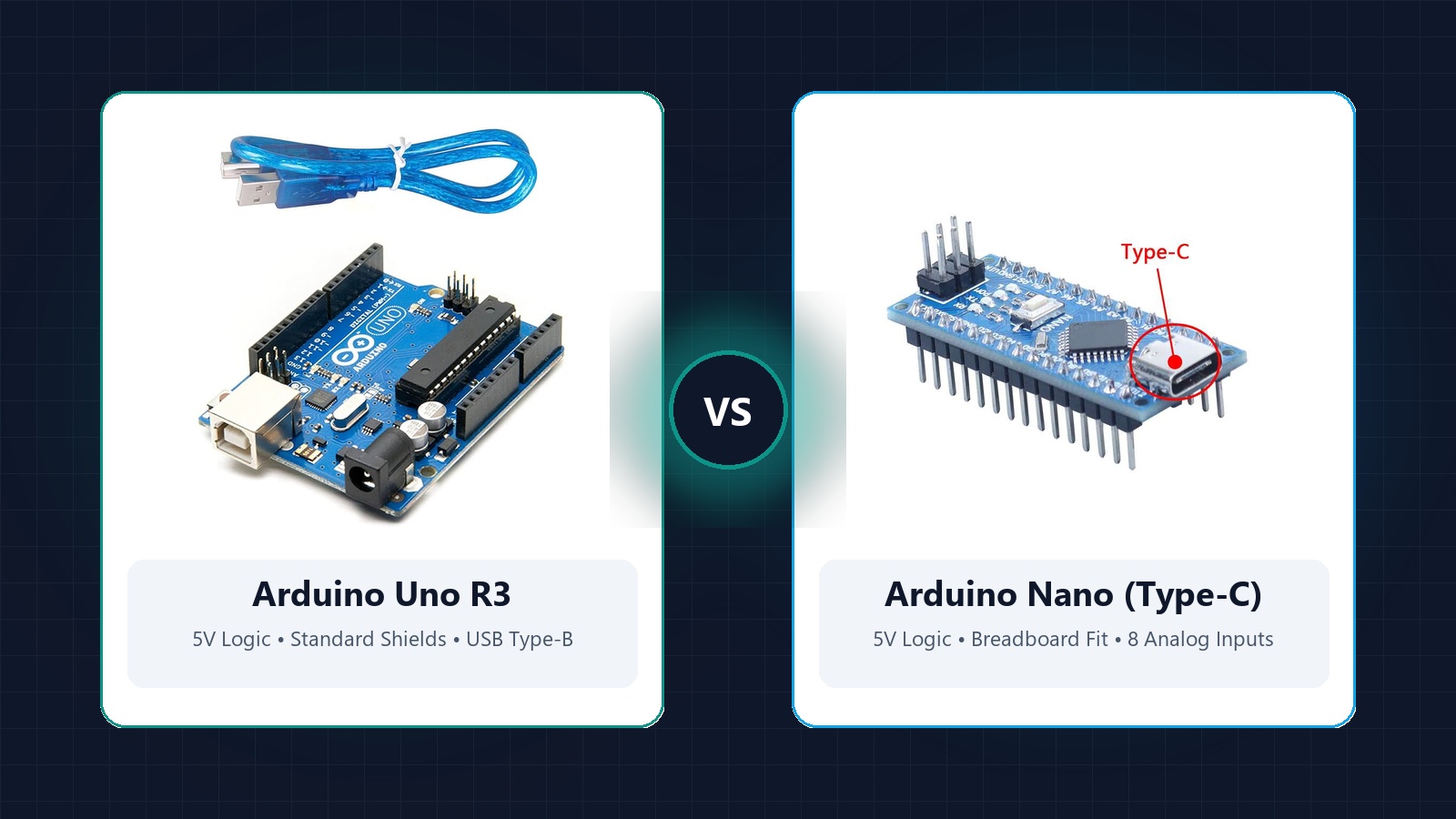
The Core Comparison: Identical Brain, Different Form Factors
When engineering students and makers in Egypt evaluate Arduino Uno vs Arduino Nano, the most common revelation is that both boards feature the exact same ATmega328P microcontroller running at 16 MHz with identical 2 KB SRAM and 32 KB Flash memory.
Code compiled for Arduino Uno executes on Arduino Nano identically without changing a single line of code.
However, mechanical form factor, breadboard integration, and pinout design dictate which board you must select for your build.
---
Technical Specifications: Uno R3 vs Nano
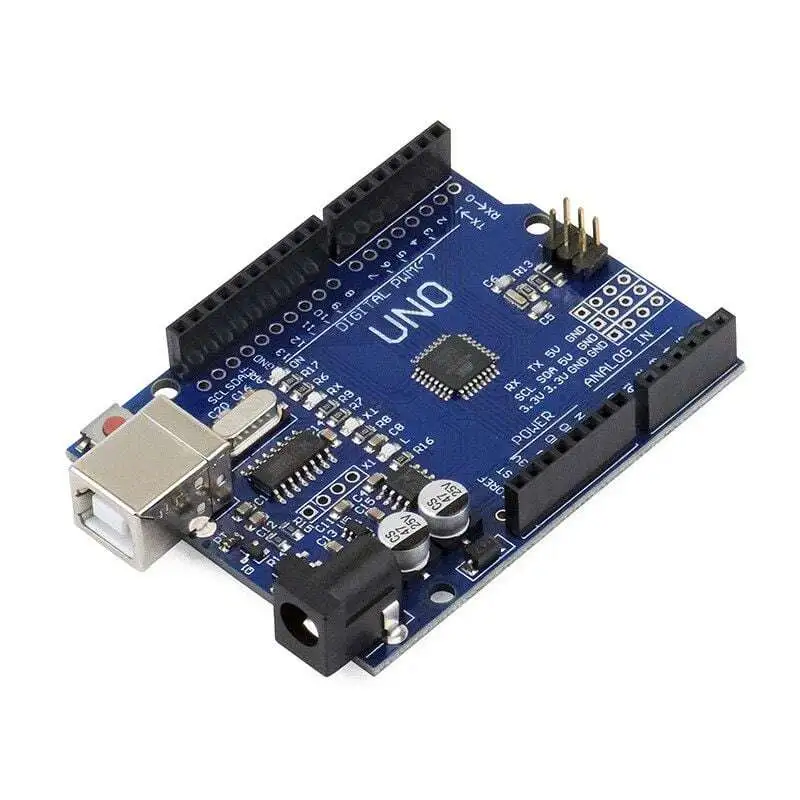
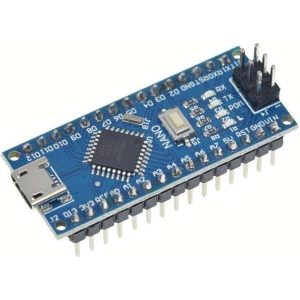
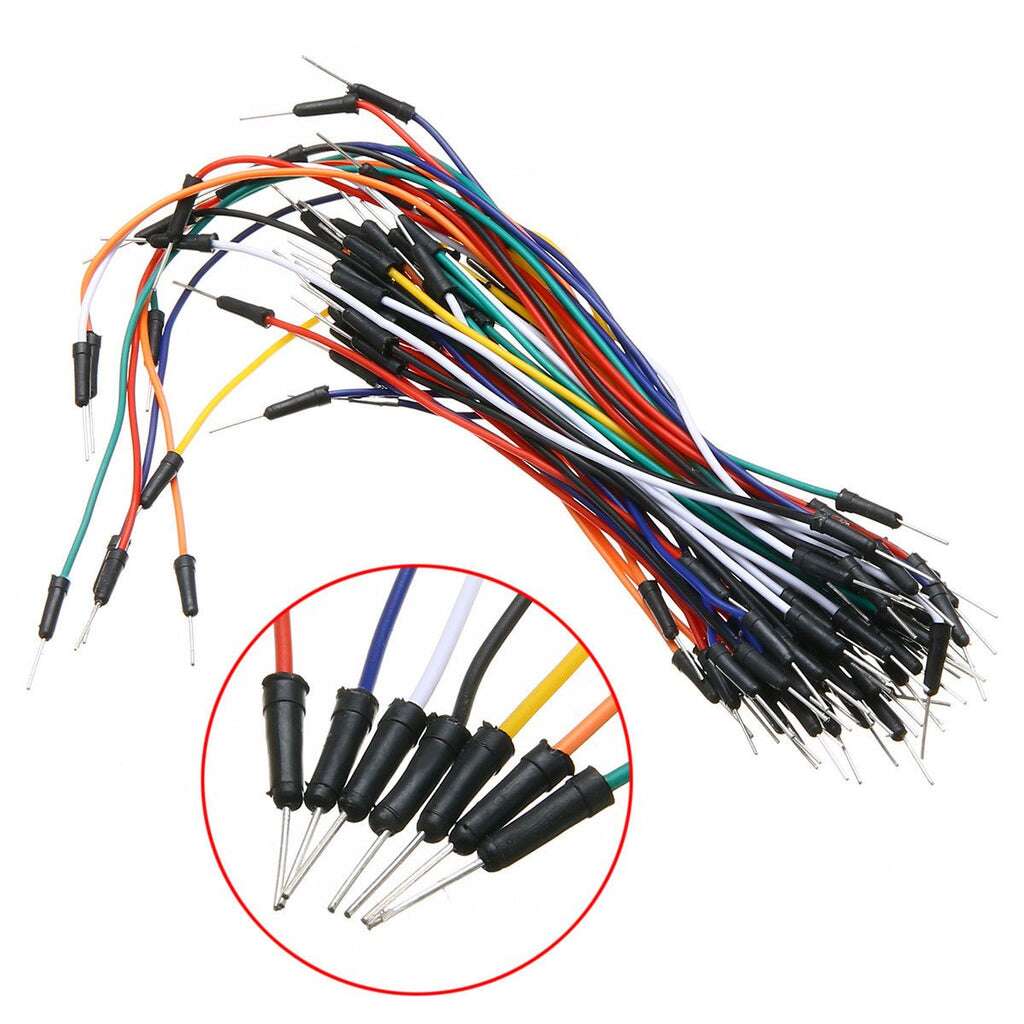
| Specification | Arduino Uno R3 | Arduino Nano (Type-C) | Verdict | | :--- | :--- | :--- | :--- | | Processor | ATmega328P (8-bit) | ATmega328P (8-bit) | Identical performance | | Clock Frequency | 16 MHz | 16 MHz | Identical execution speed | | SRAM / Flash | 2 KB / 32 KB | 2 KB / 32 KB | Identical memory | | Dimensions & Weight | 68.6 × 53.4 mm (~25g) | 45 × 18 mm (~7g) | Nano is ultra-compact | | Breadboard Friendly | No (requires jumper leads) | Yes (plugs directly into breadboard) | Nano minimizes wiring clutter | | Analog Inputs | 6 Channels (A0 - A5) | 8 Channels (A0 - A7) | Nano provides 2 extra ADC inputs | | USB Interface | Classic USB Type-B | Modern USB Type-C | Nano provides modern Type-C port |
---
Recommendations from MOKWN Engineers
- Pick Arduino Uno if you are taking your first lab course or utilizing stackable shields (such as CNC shields or motor driver shields).
- Pick Arduino Nano if you are engineering a mobile robot, portable gadget, or breadboard prototype requiring maximum compactness and minimum weight.