Introduction: The King of Portable Power
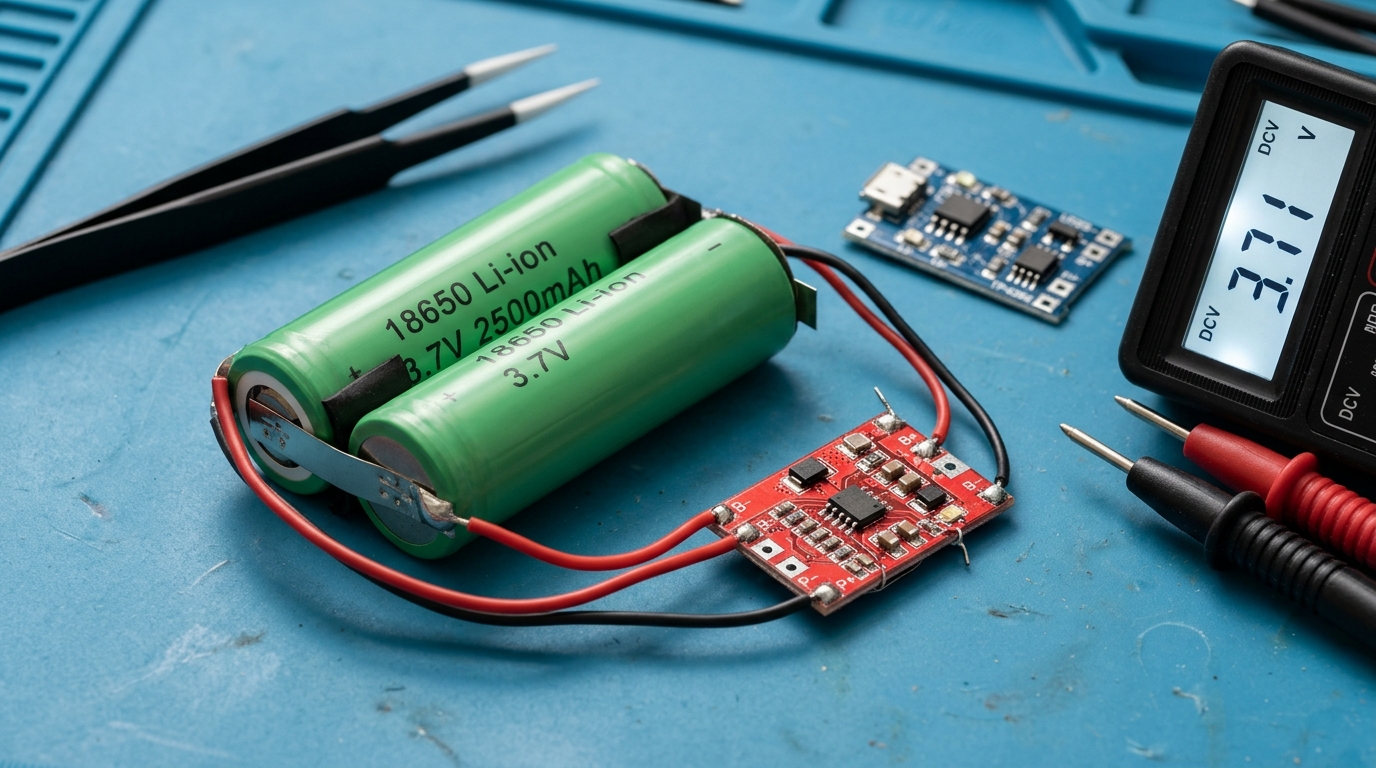
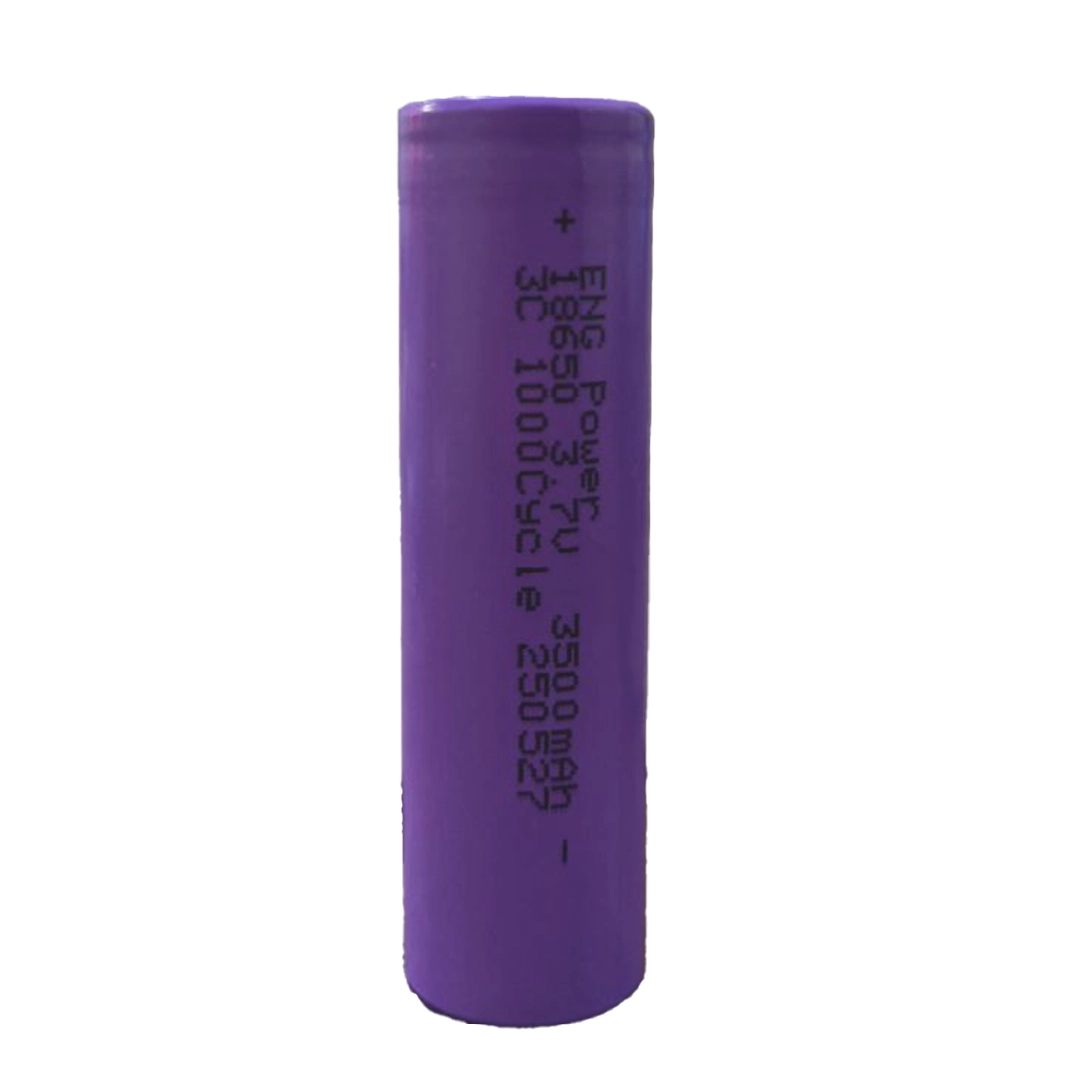
The 18650 lithium-ion rechargeable battery is the industry standard for robotics builds, drones, portable IoT monitors, and custom power banks. Its designation denotes dimensions: 18mm diameter by 65mm length.
While they offer immense energy density compared to alkaline 9V or AA cells, lithium chemistry requires disciplined safety practices to avoid thermal runaway.
---
1. Operating Voltages Demystified
- Maximum Voltage (Full Charge): 4.20V ± 0.05V
- Nominal Voltage: 3.70V
- Cut-Off Voltage (Discharged): 2.80V to 3.00V
Critical Safety Rule:
If a lithium-ion cell is drained below 2.5V, copper shunts begin forming internally. Recharging an over-discharged cell can trigger internal shorts and fire. Never discharge below 2.8V!
---
2. Series vs Parallel Pack Configuration
Series Packs (2S, 3S, 4S)
- Purpose: Multiplies total pack voltage while keeping capacity (mAh) identical.
- Example (2S Pack): Two 3.7V 2600mAh cells in series = 7.4V nominal (8.4V peak) at 2600mAh.
- Ideal For: Motor drivers (L298N, L9110S) and robotics requiring 7V-12V.
Parallel Packs (1S2P, 1S3P)
- Purpose: Multiplies total capacity and run-time while maintaining 3.7V.
- Example: Two 3.7V 2600mAh cells in parallel = 3.7V nominal at 5200mAh.
- Ideal For: IoT weather stations, battery-backed ESP32 sensor nodes.
---
3. TP4056 Smart USB Charger Module
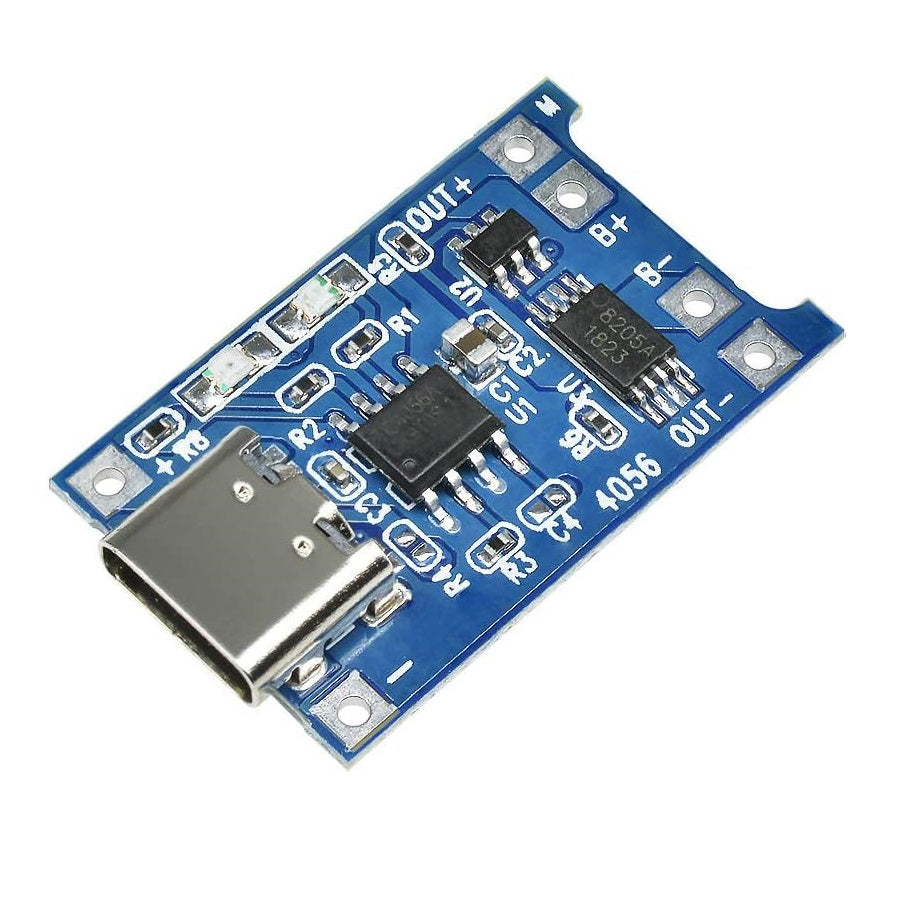
The TP4056 module provides safe CC/CV (Constant Current / Constant Voltage) charging for single 3.7V cells:
- Delivers up to 1A charge current via standard USB.
- Built-in dual protection ICs (DW01A + 8205A) safeguard against short circuits and deep over-discharge.
- Wire the cell to B+ / B-, and your microcontroller to OUT+ / OUT-.
---
4. Hardware Safety Checklist
- [x] Always use quality spring battery holders. Never solder directly onto cell terminals.
- [x] Never mix cells with different capacities, internal resistances, or states of charge.
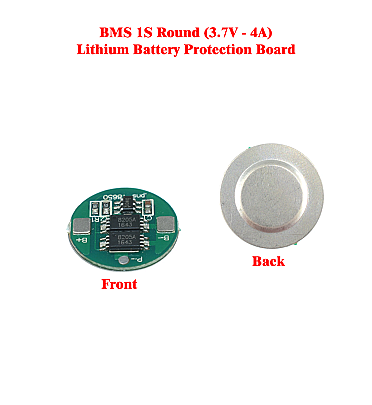
- [x] For any pack with 2 or more cells in series, always use an appropriate BMS board with cell balancing.
- [x] If a cell feels hot to the touch (>55°C) during charging, disconnect immediately.